
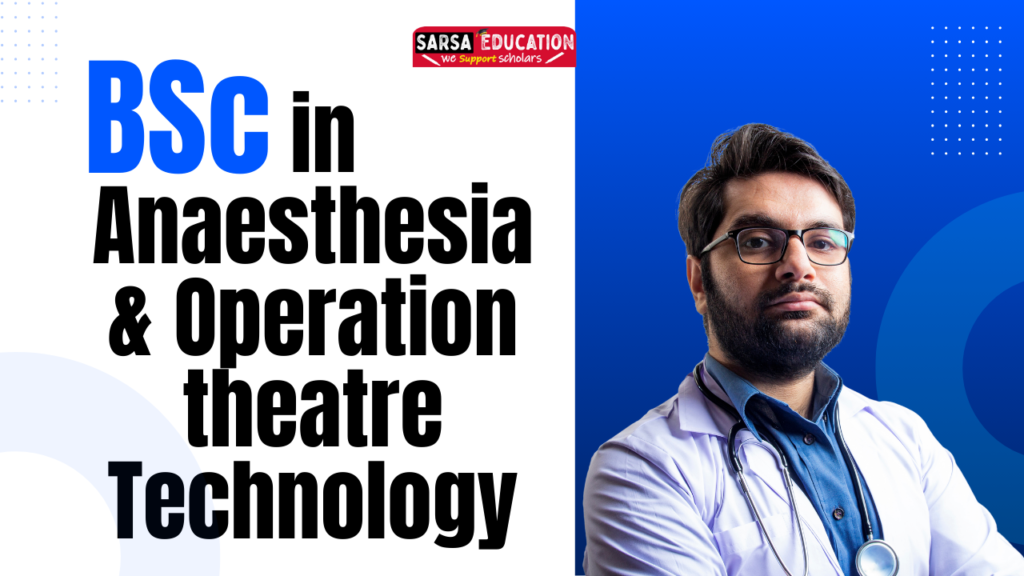
B.Sc in Anaesthesia and Operation Theatre is a specialized undergraduate program designed to prepare students for careers in perioperative and anaesthesia care. It trains skilled healthcare professionals to assist anaesthesiologists and surgical teams in delivering safe, efficient, and quality patient care. The Anaesthesia and Operation Theatre curriculum combines theoretical instruction, hands-on training in simulation labs, and clinical exposure in operating theatres, giving students in-depth knowledge of anaesthesia procedures, surgical techniques, operation theatre equipment, patient monitoring systems, emergency response, infection control, and medical record management. Graduates are fully equipped to work in hospitals, surgical centres, trauma units, and critical care departments.
The Anaesthesia and Operation Theatre program ensures students gain both technical proficiency and scientific understanding required in anaesthesia and surgical environments. Offered as a three- or four-year degree, Anaesthesia and Operation Theatre trains learners to administer anaesthesia, prepare operation theatres, monitor patients before, during, and after surgery, manage sophisticated medical equipment, and respond effectively in high-pressure situations. Students also learn about anaesthesia techniques, dosage management, patient assessment, sterilization methods, and coordination within multidisciplinary surgical teams, developing practical skills, clinical judgment, and confidence to handle real-world medical scenarios professionally.
Upon completion, graduates are prepared for diverse healthcare roles such as Anaesthesia Technologists, Operation Theatre Technicians, Surgical Assistants, Critical Care Technologists, and Emergency Response Team Members. The Anaesthesia and Operation Theatre program provides a foundation for higher education and specialization in anaesthesia technology, critical care, or allied health sciences. With the growing demand for skilled professionals, trained anaesthesia and OT technologists are indispensable in surgical and medical teams, directly contributing to patient safety, smooth surgical procedures, and improved healthcare outcomes, making this course a rewarding and respected career choice.
Contents
- Eligibility Criteria of Anaesthesia
- Course Duration:
- Admission Process:
- Program Objectives:
- Scope of Anaesthesia and Operation Theatre
- Important Links:
- Outcome of Anaesthesia and Operation Theatre Technology:
- Career Opportunities:
- Frequently Asked Questions (FAQs) – B.Sc. in Anaesthesia and Operation Theatre Technology
Eligibility Criteria of Anaesthesia
Followings are the eligibility criteria to take admission in B.Sc. in Anaesthesia and Operation Theatre :
- Educational Qualification:
Candidates must have passed 10+2 (Senior Secondary Examination) from a recognized board with Physics, Chemistry, and Biology (PCB) as core subjects. Students from BiPC or MPC group are eligible. English must be one of the subjects of study. A minimum of 50% aggregate marks in PCB is required in most institutions to take admission in BSc in Anaesthesia and Operation Theatre. - Equivalent Qualifications:
Candidates who have completed a two-year Pre-University Course, Pre-Degree Course, or any equivalent examination recognized by the university with Physics, Chemistry, and Biology as principal subjects are also eligible to apply. - Diploma Holders Eligibility:
Students who have completed 10th + 2/3-year Diploma in Operation Theatre Technology (OTT/AOTT) or related technology from a recognized board are eligible for admission. Such candidates will also qualify for direct admission to the 2nd year through the lateral entry scheme. - Age Limit:
The candidate must be at least 17 years of age at the time of admission and should have completed 17 years on or before 31st December of the admission year. - Admission Process:
Admission is based on merit in the qualifying examination or valid entrance test scores at the state, national, or institutional level, as per university norms.
Course Duration:
The total duration of B.Sc. in Anaesthesia and Operation Theatre: 3 years + 1 year internship
Admission Process:
Many colleges and universities admit based on merit, while a few offer direct admissions.
For direct admissions, we Sarsa Education are dedicated to enrolling you directly in reputed universities across the nation. Connect with us for more details.
Program Objectives:
- Develop a strong foundation in medical sciences related to anaesthesia, patient care, and operation theatre procedures.
- Build critical thinking, decision-making, and problem-solving skills required for effective anaesthesia planning and surgical support.
- Develop technical and practical skills necessary for handling anaesthesia equipment and assisting in operation theatre procedures.
- Provide hands-on clinical training to prepare students for patient care during anaesthesia induction, maintenance, and recovery.
- Promote professionalism, ethical practices, teamwork, and emergency response skills to ensure safe and high-quality healthcare services.
Scope of Anaesthesia and Operation Theatre
1. High Employability and Strong Career Demand
B.Sc. in Anaesthesia and Operation Theatre is one of the most job-oriented programs in the healthcare sector. Anaesthesia and Operation Theatre technologists are essential members of every surgical and medical team. Their expertise is required in hospitals, multi-specialty clinics, trauma centers, and emergency departments. With the rapid expansion of the healthcare industry and increasing number of advanced hospitals, the demand for trained professionals in this field is continuously rising. Every surgery, minor or major, requires skilled OT and anaesthesia support staff. This ensures excellent job stability, secure employment, and long-term career growth for graduates. The B.Sc. in Anaesthesia and Operation Theatre Technology course provides a direct entry into the medical field with promising professional opportunities.
2. Critical Role in Patient Care and Surgical Procedures
Professionals trained in this Anaesthesia and Operation Theatre program play a vital role in surgical and perioperative care. They assist anaesthesiologists in administering anaesthesia, monitoring patients, and handling critical situations. OT technologists prepare operation theatres, sterilize instruments, manage surgical equipment, and ensure patient safety throughout procedures. Their responsibilities include maintaining advanced medical devices, assisting surgeons, and responding to emergencies such as Code Blue situations. Without skilled anaesthesia and OT technologists, safe and successful surgeries would not be possible. B.Sc. in Anaesthesia & Operation Theatre Technology course trains students to become responsible healthcare professionals who contribute directly to saving lives and improving patient outcomes.
3. Practical Training and Skill Development
One of the biggest advantages of this program is its strong focus on practical learning. Students receive extensive hands-on training through simulation labs, clinical postings, and hospital internships. They learn to operate anaesthesia machines, ventilators, patient monitoring systems, and advanced surgical instruments. Real-world exposure helps students develop technical expertise, clinical knowledge, and confidence. The Anaesthesia and Operation Theatre curriculum is designed to prepare students for high-pressure medical environments. By the time they graduate, students are fully prepared to handle real surgical settings efficiently. This practical foundation makes graduates job-ready and highly competent from the very first day of their career.
4. Wide Range of Career Opportunities in India and Abroad
Graduates of Anaesthesia and Operation Theatre have diverse career options in both government and private sectors. They can work as Anaesthesia Technologists, OT Technicians, Surgical Assistants, Critical Care Assistants, OT Supervisors, and Clinical Educators. Employment opportunities are available in hospitals, medical colleges, diagnostic centers, research institutions, and trauma care units. With experience, professionals can move into senior roles such as OT Manager, Department Head, or Healthcare Administrator. The skills gained in this course are also globally recognized, opening doors to international careers in countries like the USA, UK, Canada, Australia, and the Middle East. This global recognition makes it an excellent choice for students aiming for overseas employment.
5. Higher Education, Specialization, and Future Growth
B.Sc. in Anaesthesia and Operation Theatre Technology program also provides a strong foundation for further education and specialization. Graduates can pursue M.Sc. in Anaesthesia Technology, Operation Theatre Technology, or other allied health sciences. Specialized certifications in cardiac anaesthesia, neuro anaesthesia, critical care, and pain management further enhance career prospects. With continuous advancements in medical technology and the expansion of healthcare facilities, the demand for skilled professionals in this field will keep increasing. The course offers long-term career stability, financial security, and professional respect. It prepares students not only for technical roles but also for leadership positions in the healthcare system.
Important Links:
- Best Platforms to Find Internships
- PM Internship Scheme : Eligibility, Documents, Amount Apply
- Online MBA with Internship Exclusive Program 2025
- Online Degree Courses Exclusive Admissions 2025
- Government Scholarships
Outcome of Anaesthesia and Operation Theatre Technology:
By graduation, students of Anaesthesia and Operation Theatre Technology will be able to:
- Operation Theatre Preparation and Management:
Graduates will be able to prepare operation theatres, arrange surgical instruments, load and label drugs, and assemble required equipment according to the complexity and duration of surgical procedures, ensuring smooth surgical workflows. - Patient Care and Perioperative Support:
Students will recognize patient anxiety in peri-operative conditions, assist in shifting and positioning patients, monitor vital signs, and provide safe and effective support before, during, and after surgery. - Emergency and Critical Care Skills:
Graduates will assist in emergency departments, stabilize critically ill patients, participate in Code Blue teams, perform CPR, and support safe transport of patients inside and outside hospitals. - Equipment Handling and Clinical Monitoring:
Students will develop the ability to operate, maintain, and manage anaesthesia, surgical, and critical care equipment, analyse patient conditions, and provide appropriate clinical care. - Professional Development and Teamwork:
Graduates will work effectively as healthcare team members, follow ethical practices, engage in self-assessment, and continuously upgrade skills for better patient care and career advancement.
Career Opportunities:
• Anaesthesia and Operation Theatre/Surgical Technologist: This role combines the responsibilities of anaesthesia technologist, OT technologist, and surgical assistant. Professionals prepare and assist in general and super-specialty surgeries, manage advanced anaesthetic and surgical equipment, sterilize and set up operation theatres, maintain stock and records of anaesthetic drugs, and ensure proper upkeep of specialized instruments such as laparoscopes, endoscopes, and robotic devices. They assist anaesthesiologists and surgeons during procedures and perform anaesthesia-related tasks under the supervision of licensed specialists.
• Rescue Team Member (Code Blue): Provides emergency medical aid in crisis situations, supports relief efforts, and helps coordinate medical logistics during critical conditions.
• Clinical Educator / Healthcare Educator: Educates healthcare staff about new medical technologies, updated surgical techniques, and best practices in patient care.
• Medical Device Sales Specialist: Works with medical device companies to promote and sell surgical equipment and supplies to hospitals and healthcare facilities.
• Research Assistant: Assists in academic and clinical research related to anaesthesia and operation theatre technology.
• Hospital Administration: Manages and supervises departments such as anaesthesia services and operation theatre management.
• Specialized Roles: Cardiothoracic, neurosurgical, and paediatric anaesthesia-focused careers, OT Technician, Surgical Equipment Specialist, Clinical Educator, and Healthcare Facility Manager.
• Higher Education Pathway: Graduates can pursue Master’s degrees or advanced specialization programs in Anaesthesia & Operation Theatre Technology.

Frequently Asked Questions (FAQs) – B.Sc. in Anaesthesia and Operation Theatre Technology
1. What is B.Sc. in Anaesthesia and Operation Theatre Technology?
B.Sc. in Anaesthesia and Operation Theatre Technology is a specialized undergraduate healthcare program that trains students to assist anaesthesiologists and surgeons inside operation theatres. The Anaesthesia and Operation Theatre Technology course focuses on anaesthesia procedures, surgical equipment handling, patient monitoring, emergency care, and infection control. It combines theoretical knowledge, practical laboratory training, and clinical hospital exposure to produce skilled professionals in anaesthesia and surgical care.
2. What is the duration of the course?
The standard duration of the program Anaesthesia & Operation Theatre Technology is 3 years of academic study followed by 1 year of mandatory internship.
This makes it a 4-year professional degree program, ensuring that students gain strong practical experience before entering the healthcare industry.
3. What are the eligibility criteria for admission?
To apply for B.Sc. in Anaesthesia & Operation Theatre Technology, candidates must meet the following requirements:
- Must have passed 10+2 with Physics, Chemistry, and Biology (PCB) from a recognized board.
- Minimum 50% aggregate marks in PCB (may vary by institution).
- English must be a compulsory subject.
- Candidate should be at least 17 years of age at the time of admission.
- Students holding a Diploma in Operation Theatre Technology are eligible for lateral entry into the 2nd year.
4. What skills will students gain from this Anaesthesia and Operation Theatre Technology course?
Students develop important professional skills such as:
- Handling anaesthesia machines, ventilators, and OT equipment
- Monitoring patients before, during, and after surgery
- Assisting in emergency situations and CPR
- Sterilization of instruments and OT preparation
- Team coordination and clinical decision-making
These abilities make graduates highly competent and job-ready healthcare professionals.
5. Is an entrance exam required for admission?
Admission procedures differ from college to college:
- Many institutions provide admission based on merit in 10+2 marks
- Some universities conduct entrance examinations
- Direct admission options are also available
Sarasa Education offers direct admission assistance across PAN India without entrance exams along with scholarship guidance and complete admission support.
6. What are the career opportunities after this course?
Graduates can work in various roles such as:
- Anaesthesia Technologist
- Operation Theatre Technician
- Surgical Assistant
- Critical Care Technologist
- Emergency Response Team Member
- OT Supervisor or Manager
- Clinical Instructor or Educator
There is huge demand in hospitals, trauma centers, ICUs, and multi-specialty medical facilities.
7. Is this course good for future career growth?
Yes. Anaesthesia & Operation Theatre Technology is one of the most promising and job-oriented fields in healthcare because:
- Every hospital requires OT and anaesthesia staff
- Surgical procedures are increasing worldwide
- Technology in healthcare is rapidly advancing
- Demand for trained professionals is consistently rising
This ensures excellent career stability and long-term growth.
8. Can I pursue higher studies after this program?
Yes. After completing B.Sc., students can pursue:
- M.Sc. in Anaesthesia Technology
- M.Sc. in Operation Theatre Technology
- MBA in Hospital Administration
- Specialized certifications in critical care or pain management
Higher education helps graduates move into senior clinical and managerial positions.
9. Where can graduates work?
Employment opportunities are available in:
- Government and private hospitals
- Super-specialty medical centers
- Trauma and emergency units
- Intensive Care Units (ICUs)
- Medical colleges and research centers
- Medical equipment companies
The qualification is also globally recognized, creating opportunities abroad.
10. What is the expected salary after completion?
The starting salary usually ranges between ₹2.5 lakh to ₹5 lakh per annum, depending on:
- Type of hospital
- City and location
- Skills and performance
- Work experience
With experience and specialization, salaries increase significantly in India and internationally.
11. What kind of practical training is provided?
The program offers:
- Simulation laboratory training
- Hands-on OT exposure
- Hospital clinical postings
- Real-time internship experience
Students learn to operate advanced anaesthesia machines, patient monitors, ventilators, and surgical equipment.
12. Is internship compulsory?
Yes. A one-year internship is mandatory for all students.
This internship provides real hospital experience, making students confident and industry-ready.
13. Is this course suitable for female students?
Yes, the course is equally suitable for both male and female candidates.
Many hospitals prefer female OT and anaesthesia technologists due to their precision, patience, and patient-care abilities.
14. Is there scope for jobs abroad?
Yes. The skills learned in Anaesthesia & Operation Theatre Technology are globally recognized.
Graduates can find opportunities in countries such as:
- USA
- UK
- Canada
- Australia
- Middle East
With additional certifications and experience, international careers become highly achievable.
15. Why should I choose this course?
You should choose this program because it offers:
- A highly respected medical career
- Direct involvement in life-saving procedures
- Excellent job security
- Strong practical exposure
- Opportunities for specialization and growth
It is an ideal option for students who want to enter the medical field without studying MBBS.
16. How can Sarasa Education help in admission?
Sarasa Education provides complete admission support for B.Sc. in Anaesthesia and Operation Theatre Technology including:
- Direct admission across PAN India
- Admission without entrance exams
- Scholarship assistance
- Career counseling and college selection
- Documentation and enrollment guidance
This ensures a smooth and hassle-free admission process.
17. What are the responsibilities of a professional in this field?
Key responsibilities include:
- Preparing operation theatres
- Assisting in anaesthesia administration
- Monitoring patient vital signs
- Managing surgical equipment
- Handling emergencies
- Ensuring patient safety and infection control
They are essential members of every surgical and anaesthesia team.
18. Is mathematics required for admission?
No. Mathematics is not required.
Only students from the Biology (PCB) stream are eligible for this course.
19. Can diploma holders join this degree program?
Yes. Students with a Diploma in Operation Theatre Technology can take lateral entry into the 2nd year of B.Sc., saving time and gaining a higher qualification.
20. Is this better than other paramedical courses?
Yes. B.Sc. in Anaesthesia and Operation Theatre Technology is considered one of the most technical, in-demand, and rewarding paramedical programs because surgeries and anaesthesia services are required in every hospital and medical center.
For National/International Scholarship updates, kindly join our WhatsApp channel
Follow the Sarsa Education channel on WhatsApp: https://whatsapp.com/channel/0029VaL9SgRAjPXJthnK9D0E
For regular Scholarship/Fellowship/Internship updates:
Join our Telegram channel: Sarsa Education
Email: info@sarsaeducation.com